Why Do Sinus Infections Return After Antibiotic Treatment?

Recurrent Sinusitis: Why Antibiotic Treatment May Provide Only Temporary Relief
Finishing a course of antibiotics should feel like the end of a sinus infection. The pressure eases, breathing improves, and the thick drainage begins to clear. Then, days or weeks later, the congestion, facial discomfort, headache, or reduced sense of smell returns. It is natural to wonder whether the medicine failed or whether the infection was never fully eliminated.
Recurring symptoms do not always mean that bacteria survived treatment. Sinusitis is inflammation of the lining of the nose and sinuses, and that inflammation can have several causes.
Viruses, allergies, nasal polyps, structural narrowing, irritants, dental problems, and chronic inflammatory disease can all produce symptoms that resemble a bacterial infection. Antibiotics target susceptible bacteria; they do not correct blocked drainage pathways or treat every source of sinus inflammation.
Was the Original Sinus Infection Really Bacterial?
One of the most common explanations is that the illness was not bacterial in the first place. Most acute sinus infections begin with a virus, often after a cold. Viral sinusitis can cause yellow or green mucus, facial pressure, congestion, cough, and fatigue. Mucus colour alone does not prove that bacteria are present.
Antibiotics do not treat viruses. A person may begin feeling better while taking them because the immune system is naturally clearing the viral illness, only for lingering inflammation to create another difficult period. The return of symptoms can look like antibiotic failure even though the medicine was never acting on the main cause.
Clinicians are more likely to suspect acute bacterial sinusitis when symptoms persist without improvement for more than about ten days, become severe, or improve and then clearly worsen again. An examination and a careful symptom history are more useful than mucus colour alone.
The Infection Improved, but Inflammation Remained
Antibiotics can reduce a bacterial infection while swelling in the nasal and sinus lining continues. Inflamed tissue narrows the small openings through which the sinuses normally ventilate and drain. When those channels remain restricted, mucus becomes trapped, pressure returns, and symptoms may continue after the antibiotic course ends.
This does not necessarily mean another infection has started. Post-infectious inflammation can take time to settle, particularly after a severe cold or prolonged episode of sinusitis. Nasal blockage, a dull facial ache, postnasal drip, and an impaired sense of smell may linger while the tissue recovers.
A clinician may recommend treatments aimed at inflammation and drainage rather than another antibiotic. Depending on the individual, these may include saline irrigation, a corticosteroid nasal spray, pain relief, hydration, and treatment for an underlying allergy.
Allergies May Be Keeping the Sinuses Swollen

Allergic rhinitis is a frequent reason that sinus symptoms return. Exposure to dust mites, pollen, mould, animal dander, or another allergen can keep the nasal lining swollen long after bacteria have been treated. The narrowed drainage channels then allow mucus to collect, creating pressure and increasing the chance of another infection.
Clues include repeated sneezing, an itchy nose or eyes, clear watery discharge, seasonal symptoms, and congestion that flares in particular rooms or environments. Some people have allergies throughout the year and assume they simply experience one infection after another.
Antibiotics cannot control an allergic response. Identifying triggers and using an appropriate allergy plan may be more useful than repeatedly treating suspected infections. Assessment can include a symptom review, examination, and, when indicated, allergy testing.
A Structural Blockage Can Prevent Normal Drainage
The sinuses rely on narrow openings to move mucus into the nose. A deviated nasal septum, enlarged turbinates, narrow sinus channels, scar tissue, or other anatomical differences can interfere with this process. Medicine may settle an acute episode, but symptoms return because the physical obstruction remains.
Structural problems do not always cause symptoms on their own. They may become more noticeable during a cold or allergy flare, when already narrow passages swell further. One-sided congestion, repeated pressure in the same area, or infections that consistently affect the same sinus may warrant specialist evaluation.
An ear, nose, and throat specialist can examine the nasal passages with a small endoscope. Imaging may be considered when symptoms are recurrent, persistent, one-sided, or being assessed for possible surgery.
Nasal Polyps Can Contribute to Chronic Symptoms
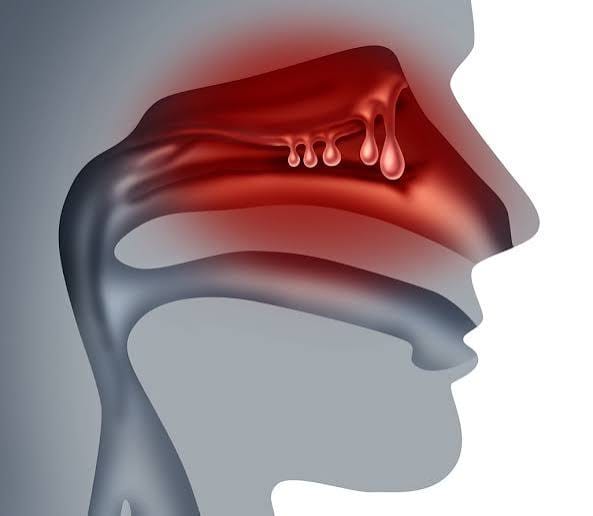
Nasal polyps are soft, noncancerous growths associated with ongoing inflammation. They can obstruct airflow and sinus drainage, reduce the sense of smell, and contribute to persistent congestion. Antibiotics may help if a bacterial infection develops on top of the inflammation, but they do not remove the polyps.
It May Be Chronic Rhinosinusitis, Not Repeated Acute Infections
Chronic rhinosinusitis is not simply a bacterial infection that lasts longer than expected. It is a complex inflammatory condition in which symptoms continue for at least twelve weeks. Nasal obstruction, facial pressure, drainage, and reduced smell are common, but not every person has all four.
Bacteria may contribute to occasional flare-ups, yet long-term inflammation is usually the central issue. This explains why a person can improve briefly with antibiotics and then feel unwell again. Treating chronic disease often requires a broader plan involving saline rinses, nasal corticosteroids, control of allergies or asthma, and specialist assessment.
A diagnosis should be supported by evidence of inflammation found during nasal examination, endoscopy, or imaging. Repeated antibiotics without confirming the cause may delay more appropriate treatment.
The Antibiotic May Not Have Matched the Bacteria
When acute bacterial sinusitis is genuinely present, the chosen antibiotic may occasionally be ineffective against the organism involved. Resistance, previous antibiotic exposure, medication intolerance, or an unusual infection can complicate treatment. However, this possibility should not be assumed every time symptoms return.
Taking doses inconsistently or stopping treatment earlier than prescribed may also reduce effectiveness. Conversely, extending treatment without medical advice does not guarantee a better result and increases the risk of side effects and antibiotic resistance.
When symptoms worsen during treatment or return quickly, a clinician may reconsider the diagnosis, review adherence, and look for complications or another cause. In selected difficult cases, an ENT specialist may obtain a culture from the sinus area to guide treatment more precisely.
A Dental Infection May Be the Hidden Source
The roots of the upper back teeth sit close to the maxillary sinuses in the cheeks. An infected tooth, failed root canal, gum disease, or recent dental procedure can allow inflammation or bacteria to affect a nearby sinus. Antibiotics may temporarily reduce symptoms, but the problem can return until the dental source is treated.
Dental sinusitis often affects one side. Possible clues include upper tooth pain, a bad taste or smell, one-sided foul drainage, or symptoms beginning after dental work. Some people have no obvious toothache.
Irritants and Lifestyle Factors Can Prolong Recovery
Cigarette smoke, vaping aerosols, air pollution, strong fragrances, workplace chemicals, and very dry air can irritate the nasal lining and impair normal mucus clearance. Continued exposure may make an infection seem as though it has returned, when the sinuses are actually reacting to ongoing irritation.
Could Fungal Disease or an Immune Problem Be Involved?
Fungal sinus disease is less common than viral or bacterial sinusitis and includes several different conditions. Some are linked to allergy-like inflammation, while invasive fungal infection mainly threatens people with severely weakened immune systems or poorly controlled diabetes.
Rapidly worsening facial swelling, eye symptoms, black tissue inside the nose, severe headache, or serious illness requires emergency assessment.
When Should Returning Sinus Symptoms Be Assessed?
Arrange a medical review when symptoms repeatedly return, last twelve weeks or longer, or worsen despite treatment. Evaluation is also important for repeated one-sided symptoms, frequent antibiotic use, loss of smell, ongoing dental complaints, or a pattern that disrupts sleep and daily life.
Seek urgent care for swelling or redness around an eye, vision changes, severe frontal headache, neck stiffness, confusion, neurological symptoms, or a high fever with marked illness. These signs can indicate a rare but serious complication.
How Can Future Recurrences Be Reduced?
Prevention depends on the trigger. Use prescribed nasal sprays consistently and with correct technique. Saline irrigation may help clear mucus and allergens, but use distilled, sterile, or previously boiled and cooled water, and keep the device clean.
Manage allergies, asthma, reflux, and dental disease with professional guidance. Avoid smoking and minimise exposure to irritating fumes. Wash hands regularly and reduce close contact with people who have respiratory infections when practical.
Do not save leftover antibiotics or request them automatically for every congested episode. Taking antibiotics only when they are likely to help reduces side effects and helps preserve their effectiveness.
Final Thoughts
Sinus symptoms can return after antibiotics because the original illness was viral, inflammation remained, or an untreated factor continues to block drainage. Allergies, nasal polyps, structural narrowing, chronic rhinosinusitis, dental infection, irritants, and, less commonly, resistant bacteria or immune problems may all play a role.
The lasting solution for long-term symptom control is not always a stronger or longer antibiotic. It is an accurate diagnosis. When symptoms keep returning, a review of the pattern, nasal examination, allergy or dental assessment, and sometimes ENT testing can identify what antibiotics alone cannot fix.
Why Do Sinus Infections Return After Antibiotic Treatment? Read More »