Introduction to Nasal Polyps
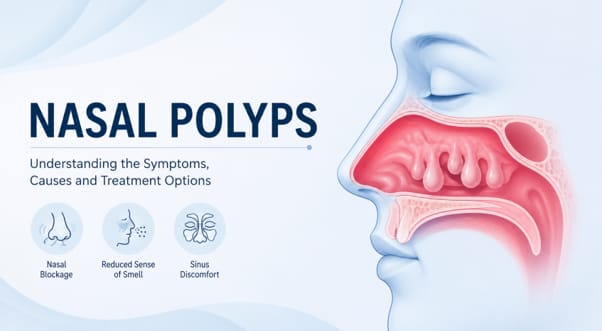
Nasal polyps are soft, painless growths that develop inside the nose or the sinus passages. Although they are not cancerous, they can cause a range of symptoms that affect breathing, sleep, and overall comfort. Some people may not realise they have nasal polyps until symptoms become persistent and begin interfering with daily life.
These growths are usually linked to ongoing inflammation within the nose and sinuses. As they enlarge, they can block normal airflow and prevent mucus from draining properly. This may lead to long-term congestion, a reduced sense of smell, and recurring sinus infections.
Understanding the signs of nasal polyps and seeking treatment early can help prevent symptoms from worsening. In many cases, effective treatment can improve breathing, restore quality of life, and reduce the risk of complications.
What Are Nasal Polyps?
Understanding Nasal Polyps
Nasal polyps are small growths that form from the lining of the nose or sinuses. They often develop gradually over time as a result of long-term inflammation.
Small polyps may not cause any symptoms at all. However, larger polyps or multiple growths can block the nasal passages and interfere with normal breathing.
Unlike some growths found elsewhere in the body, nasal polyps are usually soft and painless. They are not contagious and do not spread from person to person.
Where Do Nasal Polyps Form?
Nasal polyps most commonly develop within the sinus cavities and nasal passages. These areas contain a moist lining that can become swollen when inflammation persists for a prolonged period.
As the tissue remains inflamed, polyps may gradually develop and increase in size. Over time, they can occupy enough space to obstruct airflow and sinus drainage.
Common Symptoms of Nasal Polyps
Persistent Nasal Blockage
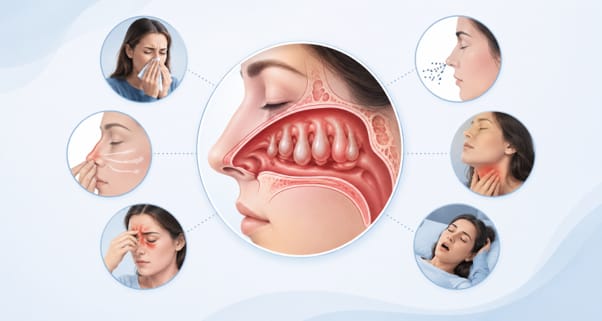
One of the most common symptoms of nasal polyps is a constantly blocked nose. Many people describe feeling congested all the time, even when they do not have a cold.
This blockage may affect one or both sides of the nose. Breathing through the nose can become difficult, especially during sleep or physical activity.
Changes in Sense of Smell and Taste
A reduced sense of smell is often one of the earliest signs of nasal polyps. Some people may notice that familiar scents become weaker or disappear completely.
Because smell contributes significantly to flavour perception, food may also seem less enjoyable. In more severe cases, both smell and taste can be greatly affected.
Nasal and Sinus Symptoms
Nasal polyps can cause ongoing nasal discharge and postnasal drip. This occurs when excess mucus drains towards the back of the throat.
Some individuals experience facial pressure, particularly around the cheeks, eyes, or forehead. The discomfort may be mild but can become persistent if sinus drainage remains blocked.
Other Symptoms That May Occur
Larger polyps can contribute to snoring and disrupted sleep. Poor sleep quality may leave individuals feeling tired during the day.
Recurring sinus infections can also occur when blocked passages prevent normal mucus drainage. Frequent infections may further worsen inflammation and symptoms.
What Causes Nasal Polyps?
Chronic Inflammation in the Nose and Sinuses
The exact reason why nasal polyps develop is not always fully understood. However, long-term inflammation is considered the main contributing factor.
When the lining of the nose and sinuses remains swollen for extended periods, tissue changes can occur. These changes may eventually lead to the formation of polyps.
Allergies
People with allergies often experience ongoing irritation inside the nose. Repeated exposure to allergens can trigger inflammation and increase the likelihood of developing nasal polyps.
Common allergy triggers may include dust mites, pollen, mould, and pet dander.
Chronic Sinusitis
Chronic sinusitis is a condition where inflammation of the sinuses persists for several weeks or months. This ongoing inflammation creates an environment where nasal polyps are more likely to form.
Many patients with nasal polyps also have a history of chronic sinus problems.
Asthma
Asthma and nasal polyps are frequently linked. Both conditions involve inflammation within the airways, and some individuals may experience symptoms affecting both the lungs and nasal passages.
Managing asthma effectively may play a role in controlling inflammation throughout the respiratory system.
Sensitivity to Aspirin and Certain Pain Relievers
Some individuals experience worsening nasal and breathing symptoms after taking aspirin or specific anti-inflammatory medications.
These individuals may have a higher likelihood of developing nasal polyps due to ongoing inflammation affecting the nose and sinuses.
Family History and Other Contributing Factors
Genetics may also influence susceptibility to nasal polyps. Certain people appear more prone to developing chronic inflammation within the nasal passages.
While family history alone does not guarantee that polyps will develop, it may increase overall risk.
Who Is More Likely to Develop Nasal Polyps?
Common Risk Factors
Nasal polyps are more commonly seen in adults than in children. The likelihood increases in people who experience long-standing inflammation affecting the nose and sinuses.
Individuals with allergies, asthma, or chronic sinusitis may have a higher risk compared to the general population.
Conditions Often Associated with Nasal Polyps
Several medical conditions are commonly linked with nasal polyps. These include chronic sinus inflammation, allergic rhinitis, asthma, and sensitivity to certain medications.
Having one or more of these conditions does not necessarily mean nasal polyps will develop, but the risk may be higher.
When Should You See an ENT Specialist?
Warning Signs That Should Not Be Ignored
A blocked nose that persists for weeks or months should not be dismissed as a minor issue. Ongoing congestion that does not improve may indicate an underlying problem requiring assessment.
A reduced sense of smell, recurring sinus infections, or worsening nasal symptoms should also prompt medical evaluation.
Why Early Assessment Matters
Early diagnosis allows appropriate treatment to begin before symptoms become more severe. Addressing inflammation at an earlier stage may help reduce discomfort and improve long-term outcomes.
It can also help identify other conditions that may be contributing to ongoing nasal symptoms.
How Nasal Polyps Are Diagnosed
Medical History and Symptom Review
Diagnosis usually begins with a discussion about symptoms, their duration, and any relevant medical history.
Information about allergies, asthma, and previous sinus infections can provide valuable clues during assessment.
Nasal Examination
A physical examination of the nose may reveal signs of swelling or visible polyps. This helps guide further investigation and treatment planning.
Nasal Endoscopy
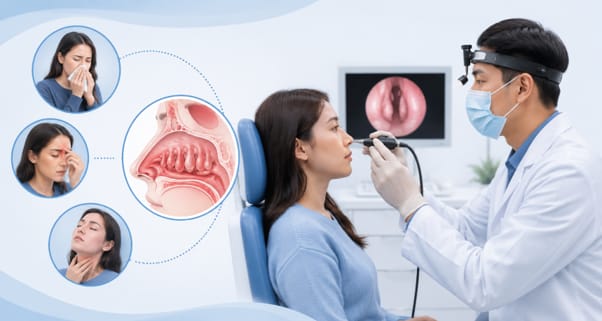
Nasal endoscopy or nasoendoscopy is a commonly used procedure in ENT practice. A thin instrument with a small camera is gently inserted into the nose to provide a clear view of the nasal passages and sinus openings.
The procedure is typically quick and provides important information about the size and location of polyps.
Imaging Studies When Needed
In some cases, imaging scans may be recommended to assess the extent of nasal polyps and associated sinus disease.
These scans help determine how much of the sinuses are affected and assist in treatment planning.
Treatment Options for Nasal Polyps
Nasal Steroid Sprays
Nasal steroid sprays are often the first treatment recommended for nasal polyps. They help reduce inflammation within the nose and may gradually shrink the polyps.
Many patients experience improvement in congestion and breathing after consistent use.
Oral Steroid Medication
For more severe symptoms, a short course of oral steroid medication may be prescribed. These medications can reduce inflammation more quickly than nasal sprays.
Because they may cause side effects, they are generally used for limited periods under medical supervision.
Saline Nasal Rinses
Saline rinses help wash away mucus, irritants, and allergens from the nasal passages. They can also keep the nose moist and support overall nasal health.
Although saline rinses do not remove polyps, they may improve comfort and support other treatments.
Managing Underlying Conditions
Successful treatment often involves addressing the factors contributing to inflammation. This may include allergy management, asthma control, and treatment of chronic sinusitis.
Reducing ongoing inflammation can help improve long-term symptom control.
Biologic Medications
Newer biologic treatments may be considered for selected patients with severe or recurring nasal polyps.
These medications target specific parts of the inflammatory process and may help reduce symptoms and the need for repeated surgery.
When Is Surgery Recommended?
Situations Where Surgery May Be Needed
Surgery may be considered when symptoms persist despite appropriate medical treatment. Large polyps that significantly block airflow or contribute to repeated infections may also require surgical removal.
The decision is based on symptom severity, quality of life, and response to previous treatment.
Endoscopic Sinus Surgery
Endoscopic sinus surgery is commonly performed to remove nasal polyps and improve sinus drainage. The procedure is carried out through the nostrils without external cuts.
The goal is to restore airflow, improve breathing, and create better access for medications after surgery.
What to Expect After Surgery
Most patients experience improvement in nasal breathing and sinus symptoms following surgery. Recovery times vary depending on the extent of treatment performed.
Regular follow-up care remains important because nasal polyps can return over time.
Can Nasal Polyps Come Back?
Understanding Recurrence
Nasal polyps may recur even after successful treatment. This is because the underlying inflammation that caused them can continue to affect the nasal lining.
The risk of recurrence varies from person to person.
Reducing the Risk of Recurrence
Following treatment recommendations can help lower the chance of polyps returning. This often includes ongoing use of prescribed medications and management of related conditions.
Regular reviews with an ENT doctor may also help detect recurrence early before symptoms become severe.
Living Well with Nasal Polyps
Everyday Self-Care Measures
Simple daily habits can support nasal health. Using saline rinses, avoiding known allergy triggers, and maintaining good control of existing medical conditions may help reduce symptoms.
Following prescribed treatment consistently is equally important.
Supporting Long-Term Nasal Health
Monitoring symptoms and seeking early medical attention when problems arise can make a significant difference. Prompt treatment may help prevent complications and reduce the impact of chronic inflammation.
With appropriate care, many individuals are able to manage nasal polyps successfully and enjoy a better quality of life.
Conclusion
Nasal polyps are common non-cancerous growths that develop due to ongoing inflammation within the nose and sinuses. They can cause symptoms such as nasal blockage, reduced sense of smell, postnasal drip, facial pressure, and recurring sinus infections.
Fortunately, a range of effective treatments is available. Depending on the severity of symptoms, treatment may include nasal sprays, medications, saline rinses, biologic therapy, or surgery.
Persistent nasal congestion should not simply be accepted as part of daily life. If symptoms continue for several weeks or interfere with breathing, sleep, or smell, an assessment by an ENT specialist is advisable.
Early diagnosis and personalised treatment can help restore comfort, improve quality of life, and reduce the likelihood of long-term complications.